Repairs, hoses and compressors
Car aircon repairs, hoses and compressor rebuilds
If your air conditioning blows warm, cools on and off, or goes flat again soon after a regas, something in the system needs attention. We find the cause where your vehicle is parked, anywhere in Auckland.
Signs your air conditioning needs looking at
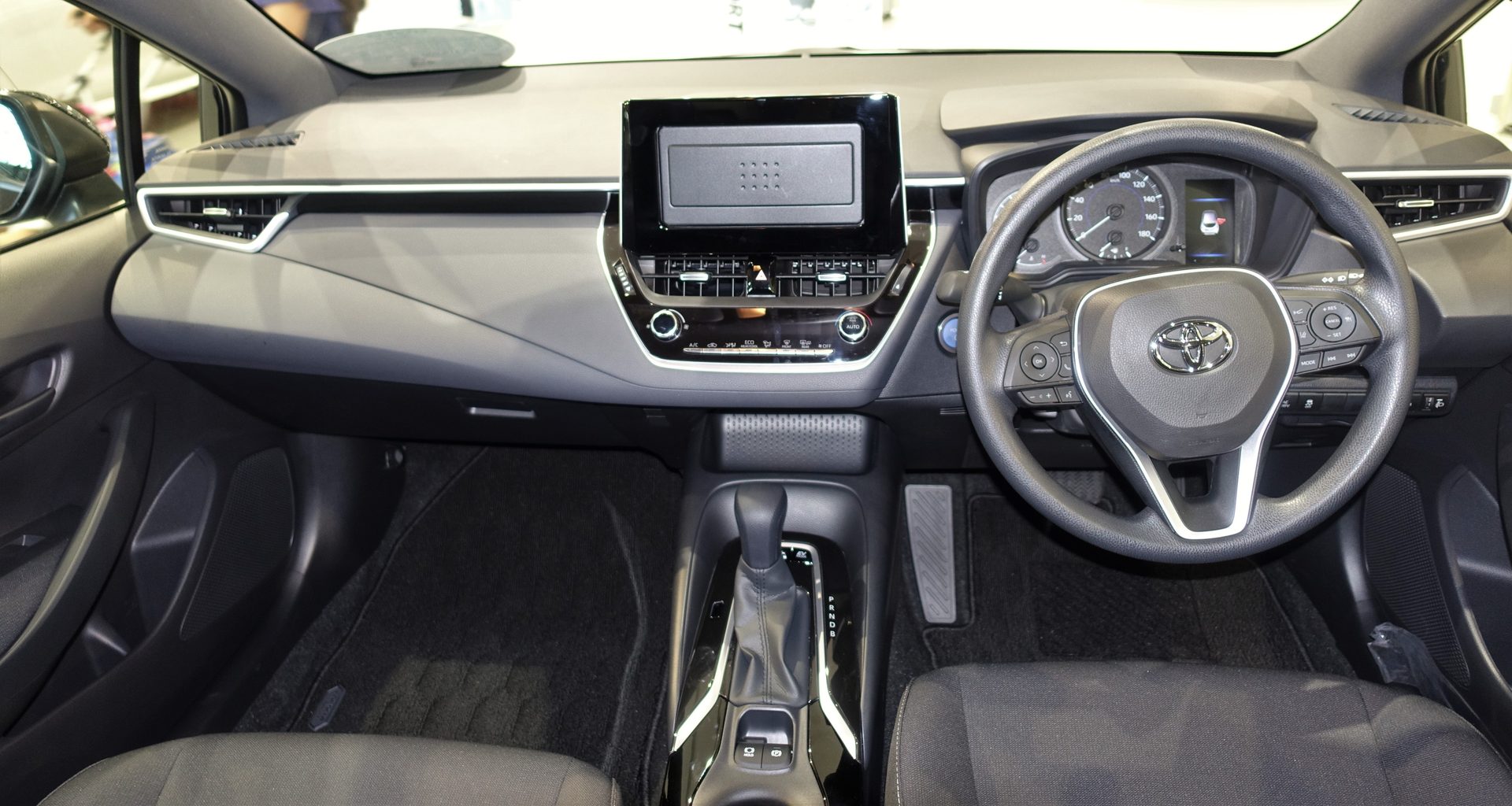
Air conditioning faults tend to creep up. These are the signs that usually mean something more than a regas is needed.
Finding the fault
Air conditioning problems are not always about refrigerant. The system depends on the compressor and its clutch, the condenser and the cooling fan in front of it, the expansion valve or orifice tube, the pressure switches that protect the compressor, the blower fan inside the cabin and the controls on the dashboard. Any one of them can stop it cooling.
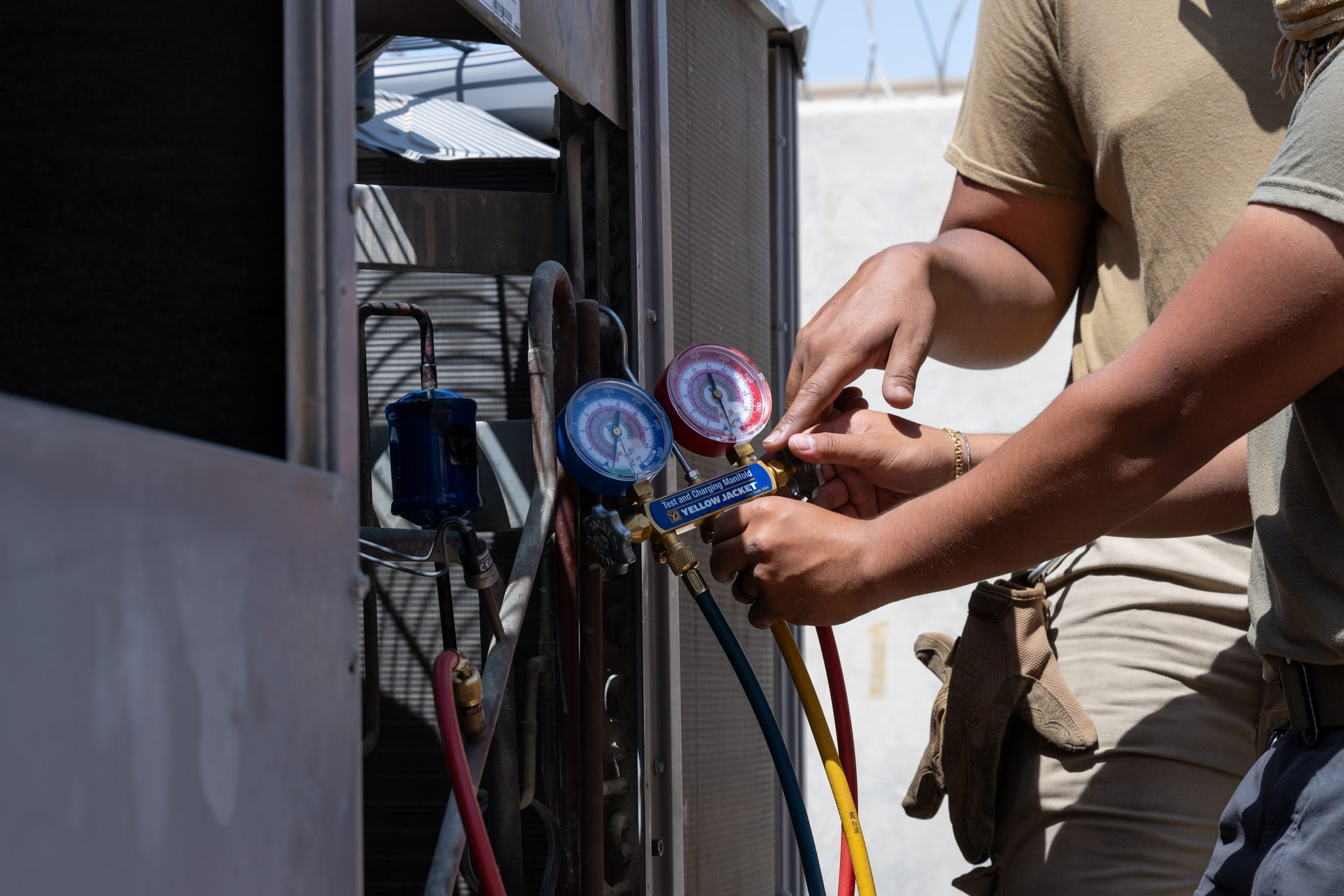
A diagnosis starts with the pressures on the high and low sides of the system, read with gauges while it runs. They say a great deal about where the problem is: a low charge, a blockage, a compressor that is not pumping, or a condenser that is not shedding heat. When the refrigerant side checks out, the fault is usually electrical or in the airflow, and the fuses, relays, switches, wiring, blower and blend doors are worked through in turn. Trucks and machines are diagnosed the same way, as our page on air conditioning for trucks, vans and machinery explains.
Leaks: the most common cause
Leaks are the usual reason a system keeps losing its charge. They tend to appear at hose crimps and joints, at the valves in the service ports, at the condenser, where stones and road grime hit it, and at the compressor's shaft seal. On older vehicles, rubber hoses also become porous with age.
Finding a leak is methodical. The system can be pressure tested, checked with an electronic leak detector, or run with a dye approved for the system that shows up under an ultraviolet lamp at the point of the leak. A slow leak can take some tracking down, which is why fixing it once is better value than regassing every summer.
A leak costs more than the gas. The Ministry for the Environment noted in 2024 that synthetic refrigerants, including those in vehicles, can be potent greenhouse gases, and that emissions from them come mostly from leaks in poorly installed or maintained equipment, or from improper disposal.
Common repairs
Depending on what is found, a repair might be a new O-ring or service port valve, a replacement hose, a condenser damaged by road debris, a compressor clutch or a compressor, or a cooling fan, relay or pressure switch.
Some parts are quick to reach. Others, such as an evaporator behind the dashboard, are a much bigger job, and that affects the cost. When the fault is fixed, the system is vacuum tested and recharged to the maker's specification in the same way as a regas and service, and the air at the vents is checked again.
Air conditioning hoses made up
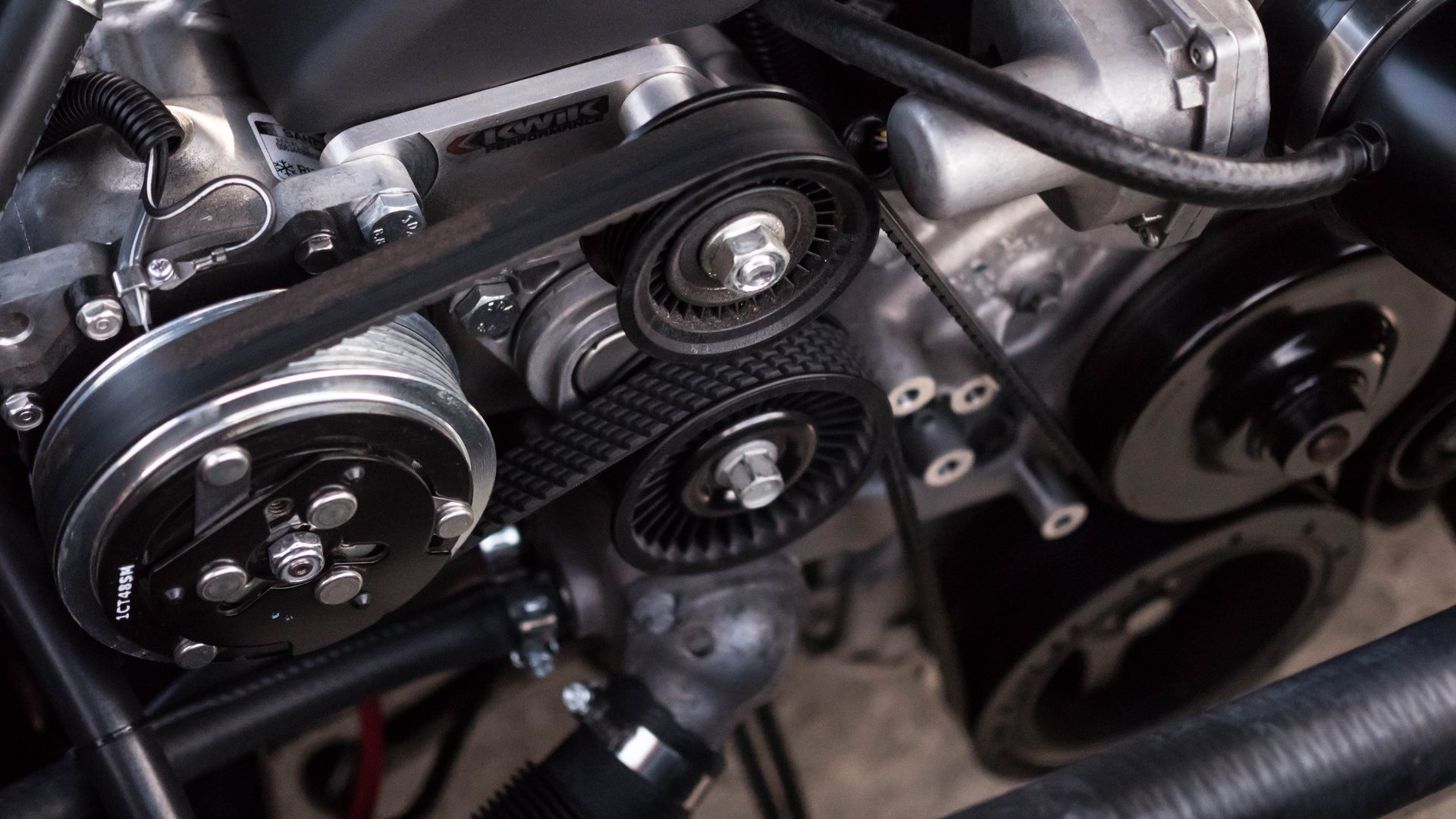
The hoses that carry refrigerant between the compressor, the condenser and the evaporator live a hard life under the bonnet: heat, vibration and the odd scrape. In time the rubber can crack or chafe through, and the crimped fittings at each end can start to weep. Either way refrigerant gets out.
We make up air conditioning hoses, so a damaged hose can be replaced with one made to suit the vehicle rather than waiting on a part. The system is then vacuum tested and recharged, as described on our regas page.
Compressor rebuilds
The compressor is the pump that drives the whole system, and it is the most expensive part in it. When one is noisy, leaking at its seal or no longer pumping well, we rebuild compressors as well as replacing them.
Whether a rebuild or a replacement is the better repair depends on the compressor and on what failed. When we have looked at it we will tell you which we recommend, and why, before any work goes ahead.
Questions about aircon repairs
Can the repair be done at my place?
Tell us what the air conditioning is doing when you call 0800 227 247 or send us the details of your vehicle, and we will tell you what is likely to be involved and whether it can be done where the vehicle is parked.
Why is it cold on one side and warm on the other?
In a vehicle with separate temperature controls for the driver and passenger, this is often a blend door or its small electric motor behind the dashboard, rather than the refrigerant.
There is water dripping under my car. Is that a leak?
Clear water dripping under the front of the vehicle after the air conditioning has been running is normal. It is condensation from the evaporator. Water inside the vehicle, in the footwell, often means that drain is blocked.
Why does my aircon smell musty?
Mould or bacteria on the evaporator, which stays damp in normal use. It needs cleaning, and a blocked drain or a dirty cabin filter can make it worse.
How much will the repair cost?
That depends on what is found and how hard the part is to reach. Once the fault is known, we can tell you what the repair involves before it goes ahead.
Aircon blowing warm?
Call 0800 227 247, 7 days. We come to you anywhere in Auckland.
Our other services
Aircon regas and servicing
Gas refilling done properly: we recover the old refrigerant, check the system holds a vacuum and recharge it to the amount your vehicle's maker specifies.Read moreAircon installs and commissioning
Air conditioning units installed in vehicles and machines, and new systems commissioned so they are charged, tested and working.Read more
Trucks, vans and machinery
Air conditioning for work vehicles, trucks, earth movers and machinery cabs, serviced where they are parked so they spend less time off the job.Read moreEnquiries
Contact us
Call 0800 227 247, 7 days, or tell us about your vehicle below and we will get back to you.
0800 227 247- Half Moon Bay, Auckland 2012
- 7 days
- coolautoair@gmail.com