Regas, gas refilling and servicing
Car aircon regas and servicing at your place
When the air from your vents is not as cold as it used to be, the system is often short of refrigerant. We regas and service vehicle air conditioning on site, anywhere in Auckland, 7 days a week.
Why air conditioning loses its cool
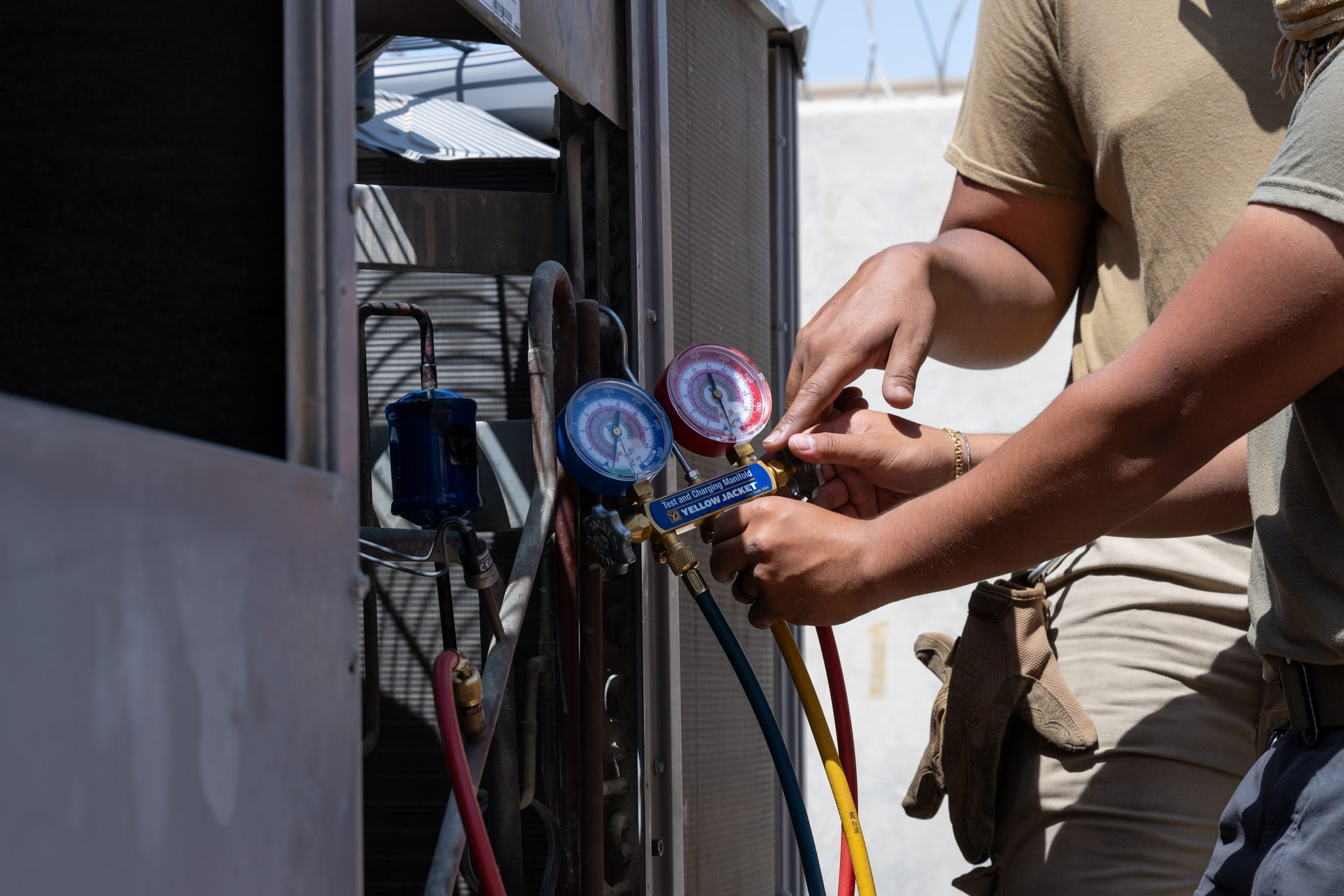
A vehicle's air conditioning is a sealed loop. A compressor, usually driven by the engine, pumps refrigerant around it. The refrigerant gives up heat in the condenser at the front of the vehicle and takes heat in again in the evaporator behind the dashboard, and that is what cools the air blowing through your vents. A small amount of oil travels with the refrigerant to keep the compressor and the seals in good condition.
Sealed does not mean it never loses anything. Over the years a little refrigerant escapes through hoses, O-rings and seals, and the system slowly cools less well. Once enough has gone, the compressor may stop switching on at all, and the vents blow air at the same temperature as the cabin. A regas puts the system back to the charge it was designed to run on.
How a regas is done
A look over first
We start with what the air conditioning is doing, then look over the system: the compressor and its drive belt, the condenser at the front and the service ports.
Recover what is left
The refrigerant still in the system is recovered into the service machine, not let out into the air. Knowingly releasing HFC refrigerant such as R134a into the atmosphere while servicing air conditioning is an offence in New Zealand.
Vacuum and hold test
The system is pulled down to a deep vacuum. That removes air and moisture, which would otherwise stop it cooling properly. If it will not hold the vacuum, there is a leak to find before it is refilled.
Recharge and test
The system is refilled with the type and amount of refrigerant the vehicle's maker specifies, measured by weight, with the correct oil. Then, with the engine running, we check the pressures and the temperature of the air at the vents.
R134a or R1234yf: which does your vehicle use?
Almost every vehicle on New Zealand roads runs on one of two refrigerants. Most older vehicles use R134a. Many newer vehicles use R1234yf. The two are not interchangeable: each needs its own equipment and fittings, and they must never be mixed in one system.
R134a is a hydrofluorocarbon, or HFC. The EPA describes HFCs as potent greenhouse gases, and New Zealand limits how much new bulk HFC can be imported, with the limit reduced gradually until 2036. R1234yf has a far lower global warming potential, which is why more new vehicles arrive with it. It is also classed as a flammable gas, one more reason it is handled with its own equipment.
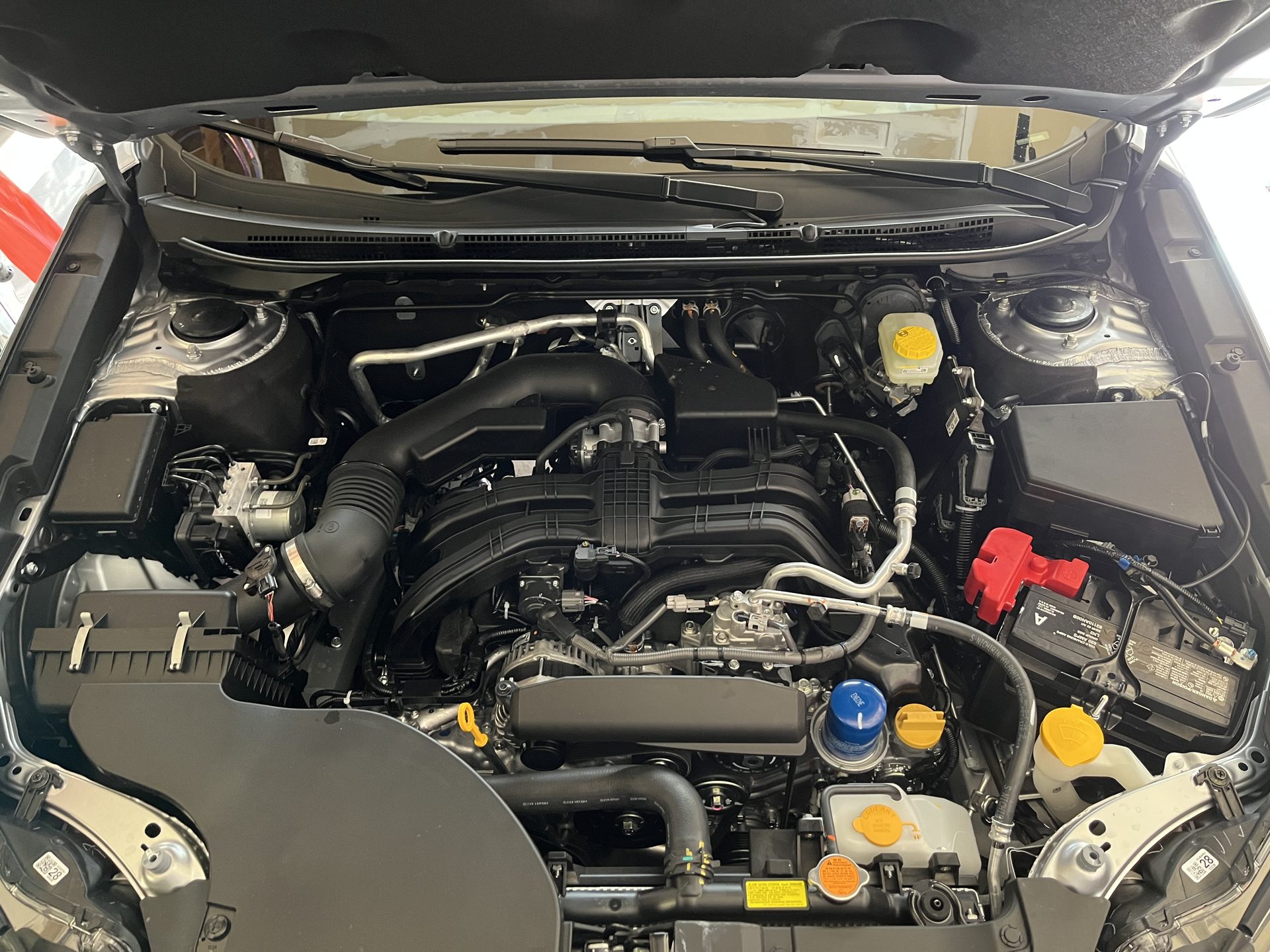
A label under the bonnet names the refrigerant your vehicle uses and the amount the system holds. That figure is what a regas is measured against, so the system is neither under nor over filled.
Is a top-up enough?
A system that has lost a little refrigerant over several years usually just needs a regas. One that was regassed recently and is warm again has a leak, and refilling it without finding the leak only means paying for refrigerant that ends up in the air. If the vacuum test shows a leak, we talk to you about finding and fixing it first. Our page on air conditioning repairs and leak finding explains how that is done.
Work vehicles are no different. Utes, vans and trucks get the same regas, and machinery cabs are covered on our page about truck and machinery air conditioning.
Looking after your air conditioning between services
Run the air conditioning for a few minutes every week or two, winter included. It keeps oil moving around the compressor and the seals, and because it dries the air, it clears a fogged windscreen faster than the heater on its own.
If the air smells musty when you first switch it on, the evaporator behind the dashboard may need cleaning. A regas does not fix a smell, so mention it when you book and it can be looked at during the visit.
Questions about regassing
How often does a car need a regas?
There is no set interval. Have it done when the air is noticeably less cold than it used to be. If you find you need one every summer, the system has a leak that is worth finding.
How much does a regas cost?
The price depends on which refrigerant your vehicle uses and how much the system holds. Call 0800 227 247 with the make, model and year and we will give you a price.
Will a regas get rid of a bad smell?
No. A musty smell usually comes from mould or bacteria on the evaporator, which needs cleaning rather than more refrigerant.
What happens to the old refrigerant?
It is recovered into the service machine rather than released into the air. Refrigerant that is not reused can go to Cool-Safe, the trust that collects unwanted refrigerant gases in New Zealand and destroys them.
Can you come on a weekend?
Yes. We work 7 days. Call 0800 227 247 or send us the details below.
Aircon blowing warm?
Call 0800 227 247, 7 days. We come to you anywhere in Auckland.
Our other services
Repairs, hoses and compressors
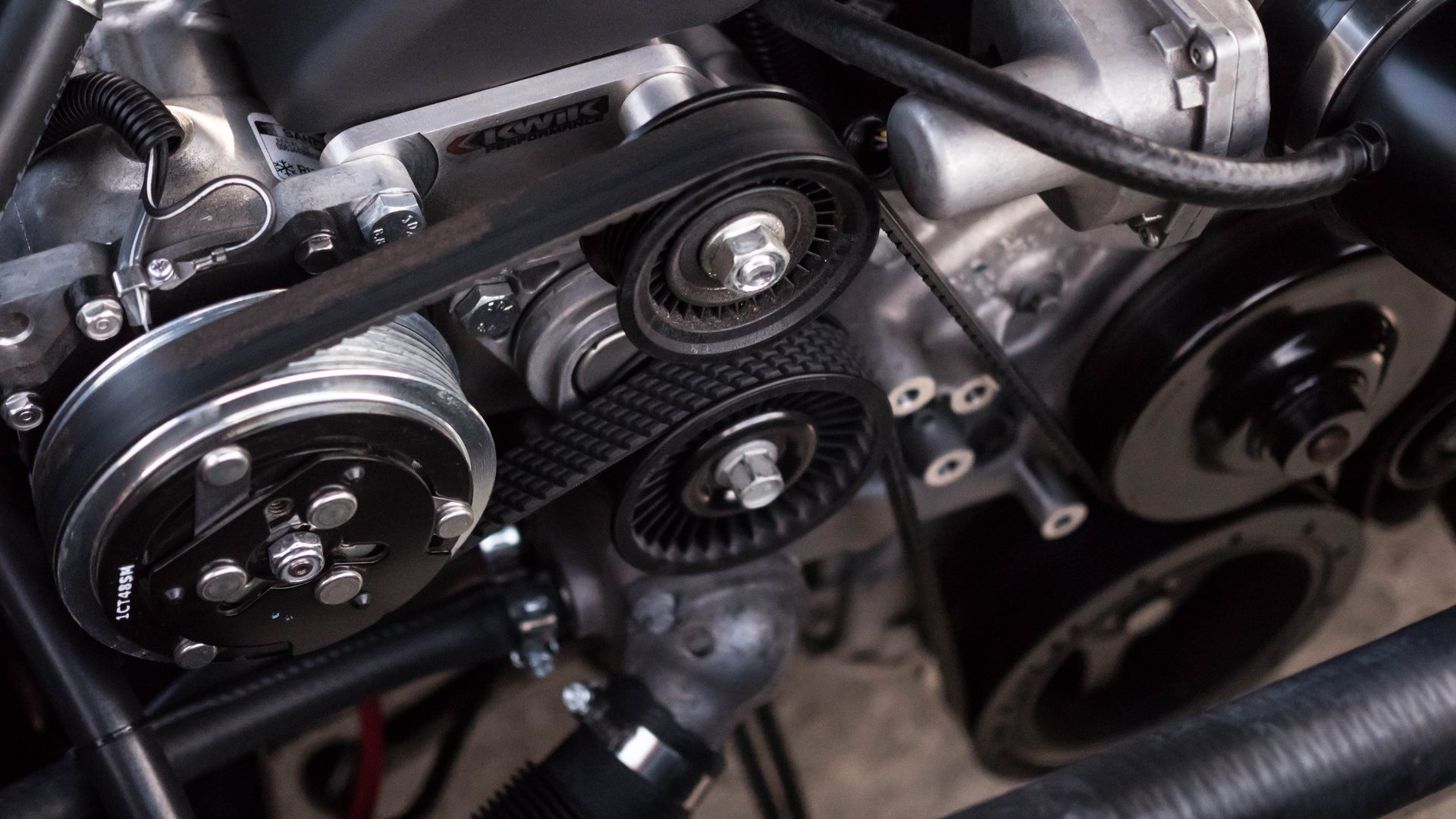
Warm air, leaks and noises found and fixed, with air conditioning hoses made up and compressors rebuilt.Read more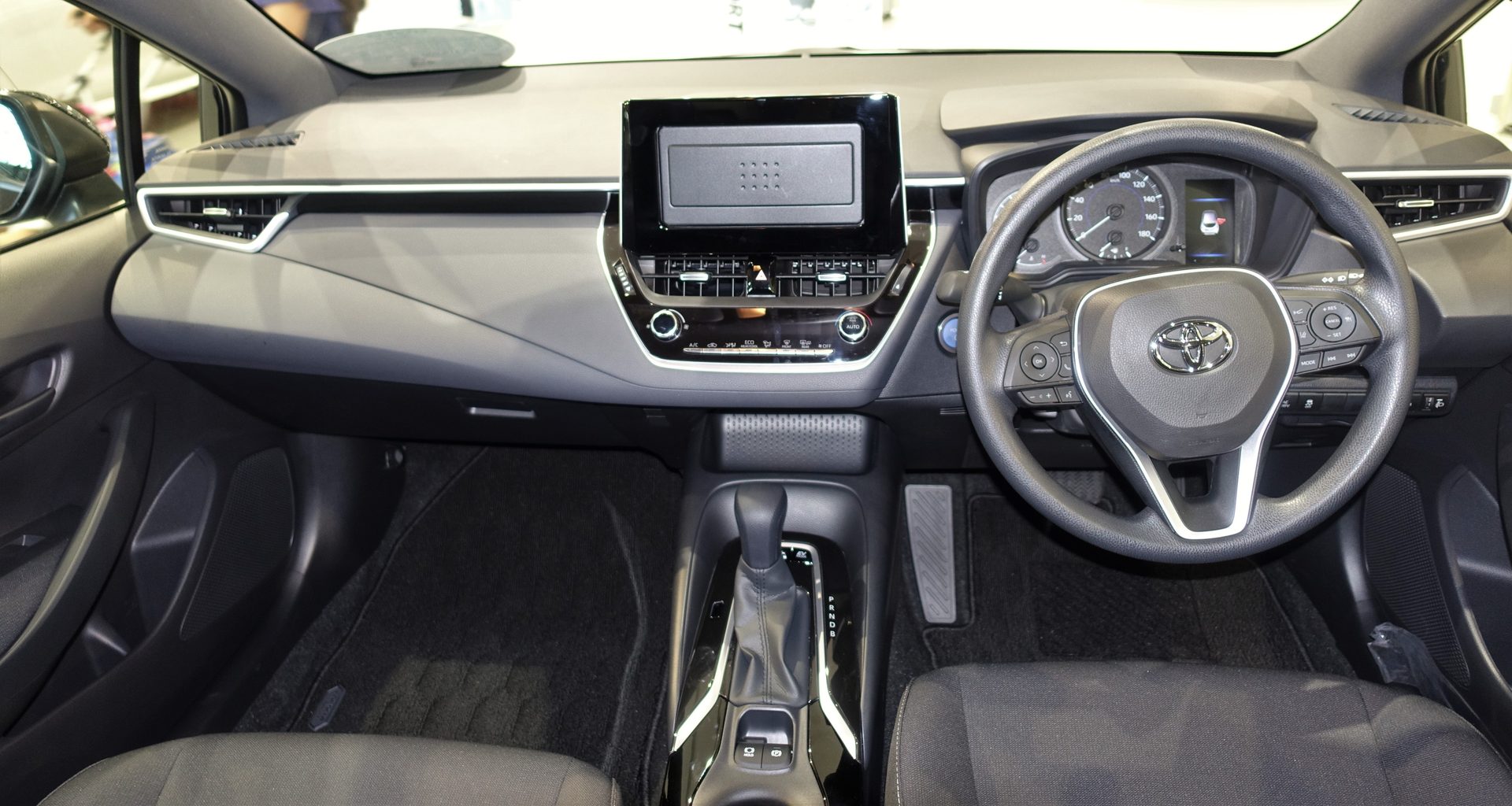
Aircon installs and commissioning
Air conditioning units installed in vehicles and machines, and new systems commissioned so they are charged, tested and working.Read more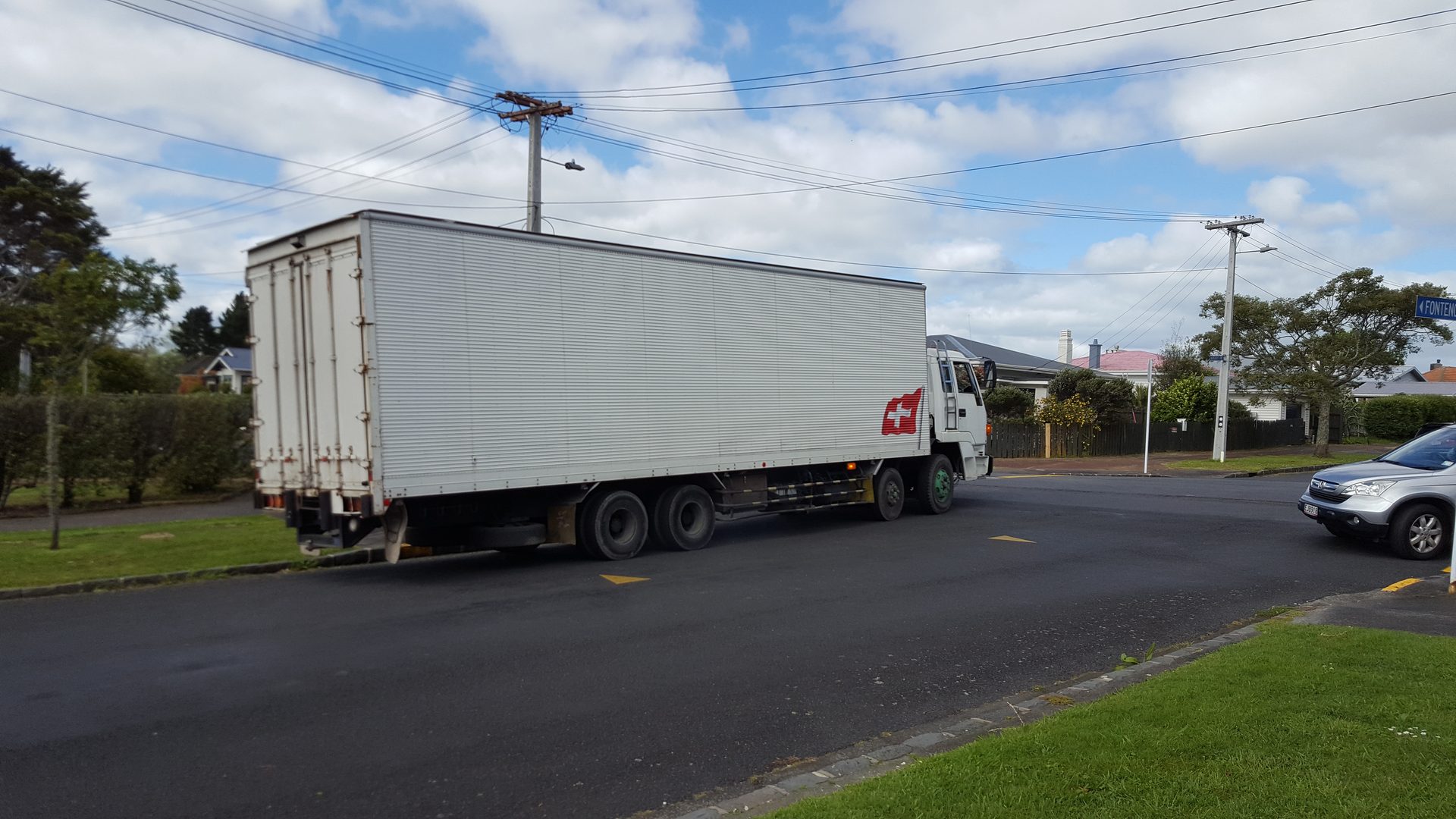
Trucks, vans and machinery
Air conditioning for work vehicles, trucks, earth movers and machinery cabs, serviced where they are parked so they spend less time off the job.Read moreEnquiries
Contact us
Call 0800 227 247, 7 days, or tell us about your vehicle below and we will get back to you.
0800 227 247- Half Moon Bay, Auckland 2012
- 7 days
- coolautoair@gmail.com